Coordinating Routine System Enhancements Alongside Content Development in Interactive Gaming Portals
Taylor Wagner · Aug 18, 2026
Coordinating Routine System Enhancements Alongside Content Development in Interactive Gaming Portals
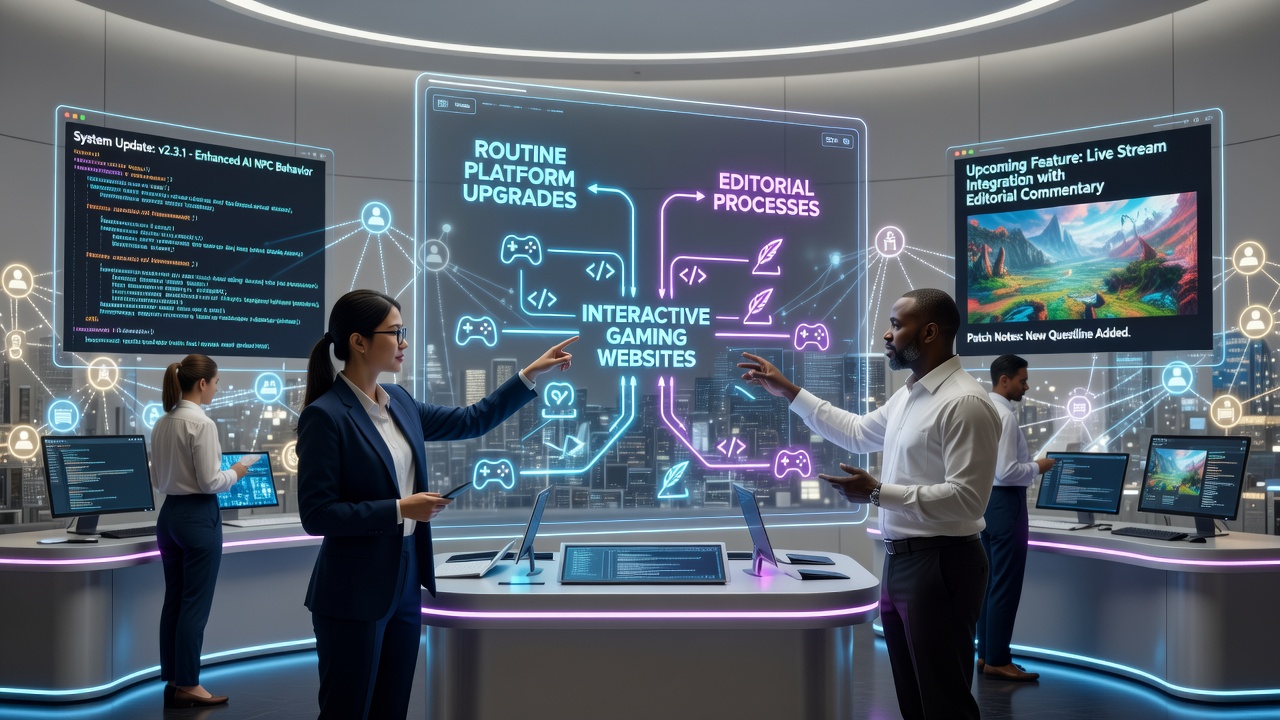
Interactive gaming websites rely on continuous technical maintenance to deliver stable multiplayer experiences, secure user accounts, and updated game integrations, while editorial teams publish reviews, patch notes, and community features on tight schedules. Observers note that successful operations depend on synchronized planning between development squads and content creators, particularly when patches or backend changes affect live publishing tools. Data from industry reports indicate that platforms handling millions of daily visitors often schedule maintenance windows during low-traffic periods to minimize disruption to article uploads or forum activity.
Planning Cycles That Align Technical and Editorial Timelines
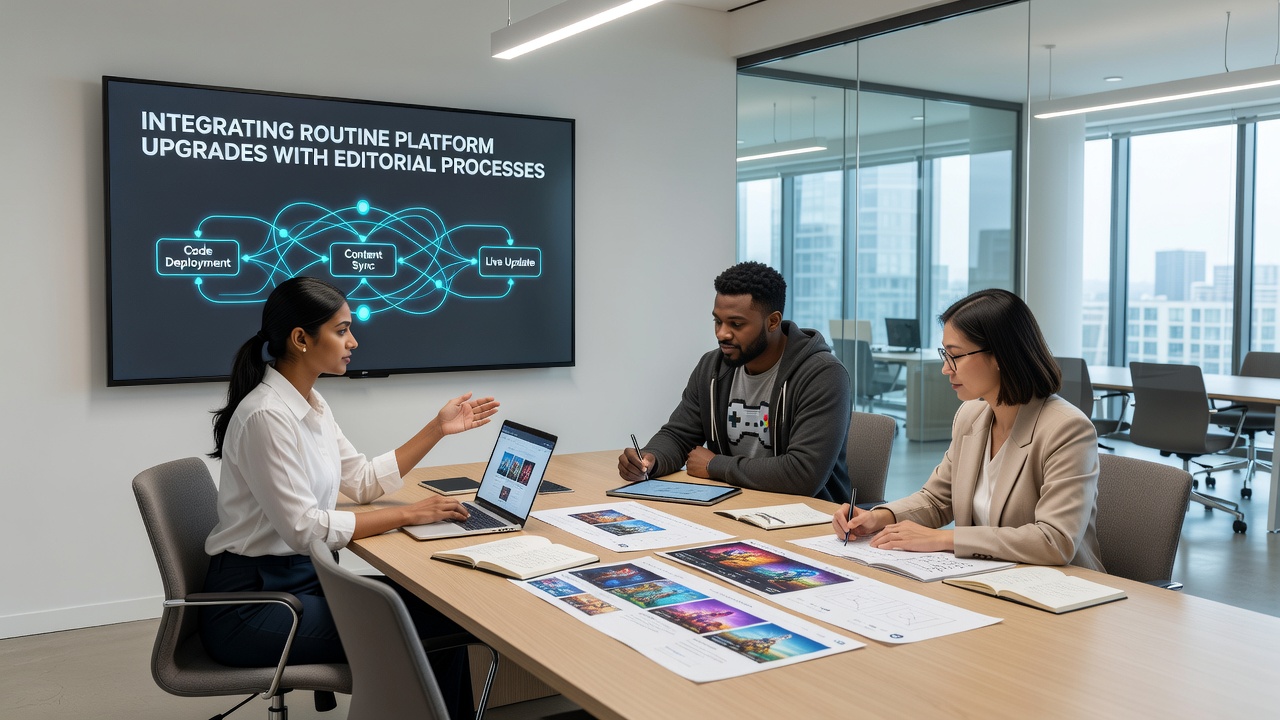
Development teams typically map major upgrades onto quarterly roadmaps that account for both server migrations and feature additions, yet editorial calendars require flexibility for breaking news such as tournament results or game announcements. Researchers at various institutions have documented cases where shared project management platforms allow both groups to flag overlapping deadlines in advance, reducing conflicts during rollout phases. In August 2026, figures from global digital entertainment analyses revealed that sites adopting unified ticketing systems cut content delays by measurable margins compared with siloed workflows.
Communication protocols often include weekly cross-functional meetings where engineers outline potential impacts on content management interfaces, and editors provide estimates for article volume around those dates. Such exchanges help identify whether a database optimization might slow media uploads or require temporary content staging areas. Those who've studied these environments point out that documentation shared across departments serves as a reference when troubleshooting post-update issues.
Tools and Workflows Supporting Simultaneous Operations
Version control systems extended to content repositories enable rollback capabilities if an upgrade alters template rendering or search indexing. Industry organizations like the Entertainment Software Association track how leading portals integrate these safeguards into daily routines, ensuring that published guides remain accessible even during backend transitions. State of the industry reports highlight standardized testing environments that mirror production setups, allowing editors to preview changes before live deployment.
Automated notification systems alert content teams when scheduled maintenance approaches, while staging servers let writers test formatting under new code versions. Data indicates that platforms employing these layered checks experience fewer interruptions to real-time features such as live score widgets or user-generated content feeds. Academic studies from European research centers have examined how modular content architectures further isolate editorial assets from core platform layers during upgrades.
Case Examples from Established Platforms
One documented instance involved a major esports portal that coordinated a content delivery network expansion with the launch of a seasonal tournament preview series; joint testing sessions verified that article images and video embeds loaded correctly post-migration. Another example comes from a multiplayer title community site that used phased rollouts, beginning with non-critical sections before touching the main news feed. Observers note that these approaches allow teams to gather performance metrics and adjust editorial pacing accordingly.
Regulatory bodies in regions such as Australia and Canada have issued general guidance on digital service continuity that applies to entertainment platforms, encouraging redundant systems to protect user access during updates. Australian Competition and Consumer Commission analyses discuss resilience measures relevant to content-heavy sites, though specifics vary by jurisdiction.
Monitoring and Adjustment After Implementation
Post-upgrade monitoring involves tracking both technical metrics like load times and editorial indicators such as publishing velocity or reader engagement rates. Teams review logs to confirm that content search functions and comment systems operate without degradation, then refine future coordination steps based on observed patterns. Studies show that iterative feedback loops between the two groups strengthen overall site reliability over successive cycles.
Conclusion
Integrating platform upgrades with editorial processes requires structured timelines, shared tools, and ongoing communication across departments on interactive gaming websites. Evidence from multiple sources demonstrates that coordinated approaches sustain both technical stability and consistent content output without extended interruptions. Platforms that maintain these alignments continue to support growing audiences through evolving digital landscapes.