Database Optimization Techniques for Sustaining Performance in WordPress-Powered Betting Platforms
Taylor Wagner · Sep 26, 2026
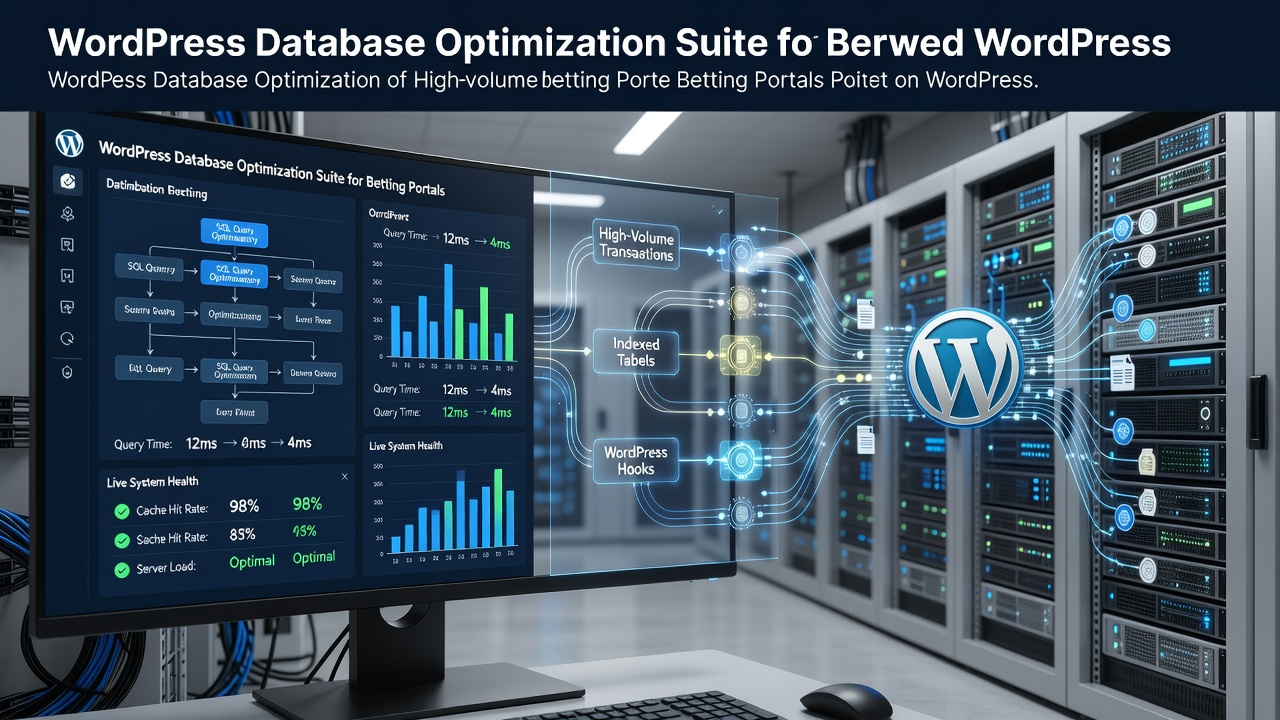
Database Optimization Techniques for Sustaining Performance in WordPress-Powered Betting Platforms
High-volume betting portals built on WordPress face constant demands from user transactions, live odds updates, and real-time data feeds, which place heavy loads on underlying databases. Observers note that these platforms require targeted routines to maintain query speeds and prevent slowdowns during peak periods. Data from industry reports indicates that unoptimized databases can lead to increased latency, and teams address this through systematic maintenance practices that focus on indexing, cleanup, and caching layers.
Core Challenges in High-Traffic Betting Environments
Betting platforms process thousands of concurrent requests for account balances, bet placements, and result settlements, which generates large volumes of database writes and reads. Researchers have observed that WordPress default configurations often struggle under such conditions because they retain unnecessary post revisions, transient data, and unindexed tables. A report released in September 2026 by the Nevada Gaming Control Board highlighted infrastructure strains on similar systems, showing that sites handling over 100,000 daily active sessions benefit from proactive optimization to avoid bottlenecks. Teams therefore prioritize routines that reduce table bloat while preserving data integrity for regulatory compliance.
Indexing and Query Tuning Practices
Database indexing forms a foundational routine where administrators add targeted indexes to frequently queried columns such as user IDs, bet timestamps, and event identifiers. This approach allows the database engine to locate records faster without full table scans. Experts have documented cases where adding composite indexes on transaction logs cut average query times by measurable margins across multiple platforms. In parallel, query tuning involves rewriting slow SQL statements to use joins efficiently and avoid nested subqueries that consume excessive resources. Those who manage these systems report that regular analysis with tools like EXPLAIN statements reveals patterns that guide further adjustments.
WordPress plugins designed for database management assist in automating some of these tasks, yet manual oversight remains essential for custom betting tables that store odds histories and settlement records. The process integrates with server-level configurations, including buffer pool sizing and connection pooling, to handle spikes without connection timeouts.
Data Cleanup and Maintenance Schedules
Routine cleanup removes expired transients, orphaned postmeta entries, and old revision data that accumulate over time. Automated scripts run during low-traffic windows to execute OPTIMIZE TABLE commands and reclaim storage space. According to findings from a University of Sydney study on high-traffic content management systems, consistent cleanup cycles correlate with sustained performance metrics even as data volumes grow. Administrators also schedule full backups before major operations, ensuring recovery points remain available while minimizing downtime during the optimization window itself.
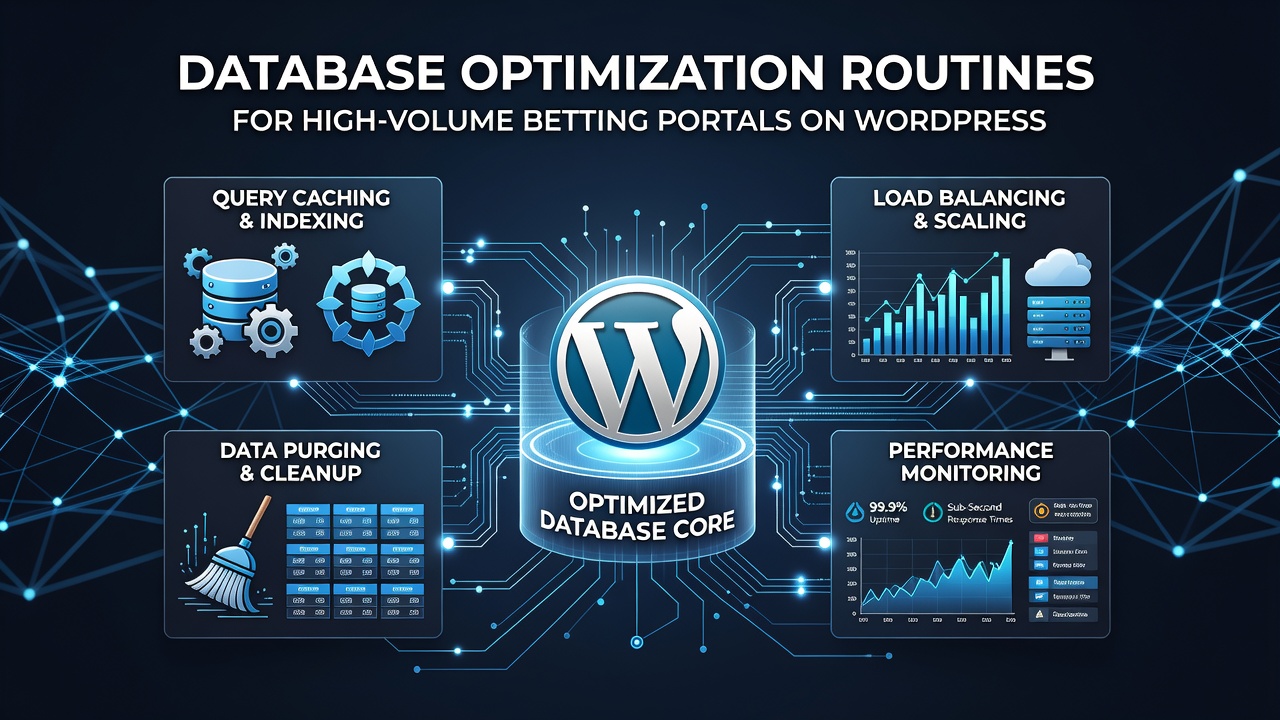
Fragmentation checks form another layer where tables are analyzed for inefficient storage layouts caused by frequent inserts and deletes common in betting activity logs. Rebuilding indexes periodically restores efficient data organization, and teams track metrics such as page load averages and cache hit ratios to verify improvements.
Caching Layers and Integration Points
Object caching through systems like Redis or Memcached offloads repeated queries from the database, storing results for user sessions and popular market data. This integration reduces direct database hits during high-demand events such as live sports outcomes. Industry organizations note that combining database-level optimizations with application caching yields compounding benefits, particularly when betting portals scale across multiple server instances. Monitoring tools track cache invalidation patterns to prevent stale data from affecting bet accuracy or account displays.
Integration with WordPress hooks allows custom routines to trigger after specific events, such as bet confirmations, ensuring that related database entries receive immediate indexing updates. External sources, including reports from the Australian Communications and Media Authority, have examined similar architectures and found that layered caching supports compliance with data retention rules while maintaining operational speed.
Monitoring and Continuous Improvement
Performance dashboards display real-time statistics on slow queries, connection counts, and table growth rates, enabling teams to adjust routines based on observed trends. Regular audits compare current metrics against baselines established during initial deployments, revealing when additional partitioning or archiving becomes necessary for historical betting records. Those who implement these practices document incremental gains in system stability across extended operational periods.
Conclusion
Database optimization routines combine indexing, cleanup, caching, and monitoring to support the operational demands of WordPress-based betting portals under sustained high volume. Evidence from regulatory and academic sources shows these methods help maintain response times and data reliability. Teams apply these techniques through scheduled processes and tool integrations that adapt to evolving traffic patterns.