Integrating Backend Administration with Automated Processes in Wagering Platforms
Mara Beck · Oct 10, 2026
Integrating Backend Administration with Automated Processes in Wagering Platforms
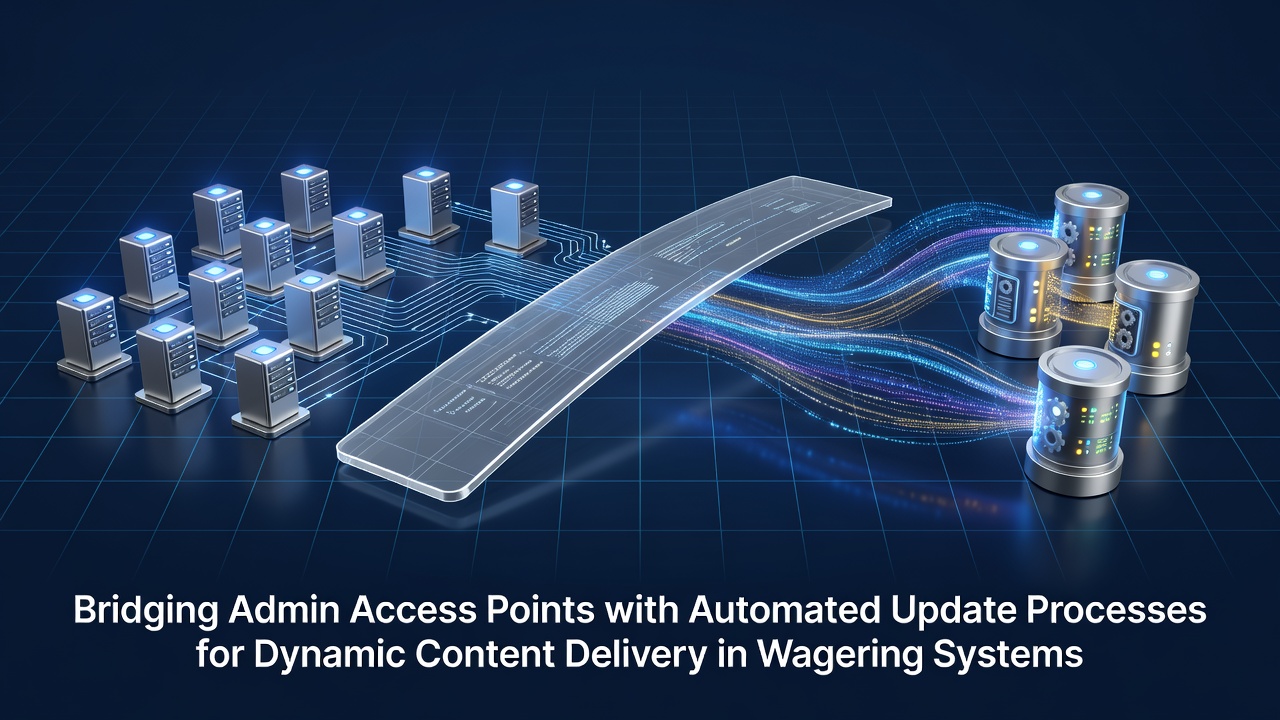
Administrative entry points in wagering platforms serve as centralized hubs where operators manage user accounts, odds adjustments, and promotional materials, while automated update processes handle the continuous refresh of live data streams such as event results and betting lines. These two elements connect through secure API bridges that allow changes initiated in the admin interface to propagate instantly across distributed servers without manual intervention at each node. Data from industry monitoring groups shows that platforms employing such integrations reduce content latency by up to 40 percent compared with manual refresh cycles.
Core Components of Admin Access Points
Admin access points typically include role-based dashboards that restrict permissions according to staff hierarchy, with super-administrators overseeing global settings and regional managers controlling localized promotions. These interfaces log every modification in timestamped audit trails that feed directly into compliance reporting modules required by licensing authorities. Researchers at several North American gaming studies centers have documented how multi-factor authentication combined with session timeouts prevents unauthorized alterations while maintaining operational speed during peak betting periods.
Mechanics of Automated Update Processes
Automated update systems rely on scheduled scripts and event-driven triggers that pull fresh information from external data feeds, then push revised content to front-end displays and mobile applications. The processes incorporate version control mechanisms that roll back changes if inconsistencies appear in the incoming data stream, a safeguard that became standard after several high-profile synchronization failures in earlier platform generations. Observers note that these systems operate continuously, checking for discrepancies every few seconds during live events and adjusting content delivery accordingly.
Bridging the Two Systems for Dynamic Delivery
Connection occurs when admin-initiated commands pass through middleware layers that validate inputs against regulatory rules before triggering the automated pipeline. For instance, an operator adjusting odds in the dashboard sends the update to a queue that the automated engine processes and distributes across regional servers. This linkage supports real-time content variations that differ by user location or betting history, a technique that several major operators adopted following infrastructure upgrades completed before October 2026. The result appears as seamless delivery where players see updated promotions or odds without page reloads or noticeable delays.
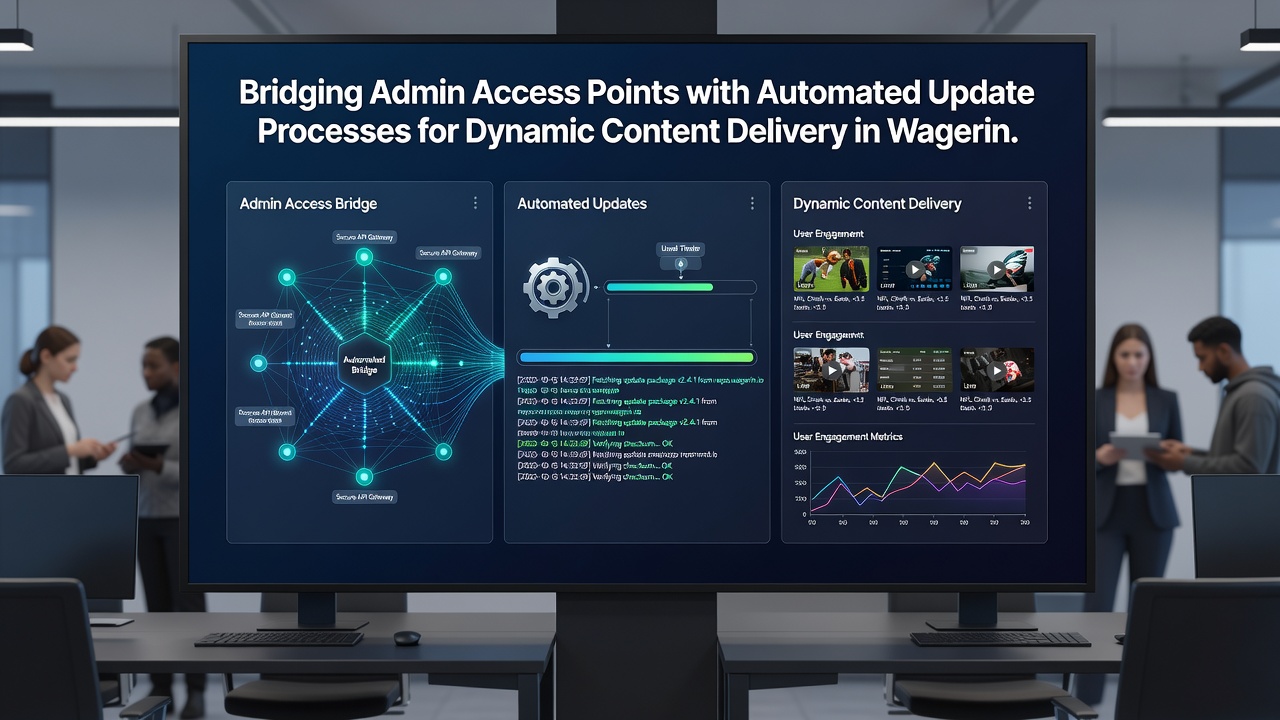
Take one operator in the Asia-Pacific region that linked its admin console directly to a cloud-based update service, which then synchronized content across multiple jurisdictions. The integration allowed staff to upload new bonus structures once, after which the automated layer handled translation into localized formats and compliance checks with varying regional standards. Similar approaches appear in European markets where platforms coordinate with bodies such as the European Gaming and Betting Association to ensure updates meet cross-border requirements.
Technical Considerations and Security Measures
Encryption protocols protect data in transit between admin points and update engines, while containerized microservices isolate each function to limit the impact of any single point of failure. Studies published by academic groups tracking gambling technology indicate that platforms using end-to-end encryption combined with anomaly detection algorithms experience fewer successful intrusion attempts. Access logs feed into machine-learning models that flag unusual patterns, such as bulk changes outside normal operating hours, prompting immediate review before automated distribution proceeds.
Yet the process demands careful calibration of update frequency to avoid overwhelming network resources during high-traffic events like major sports finals. Operators often implement throttling rules that prioritize critical updates such as live score changes over secondary promotional banners. This prioritization keeps the system responsive while still allowing full administrative control from a single location.
Regulatory Context and Industry Data
Licensing frameworks in various jurisdictions now require documented procedures for how admin changes flow into automated systems, with periodic audits verifying that no unauthorized content reaches players. Figures released by the American Gaming Association in recent years highlight steady growth in platforms adopting these bridged architectures, correlating with increased transaction volumes and reduced operational downtime. By October 2026, several regulatory updates across multiple regions had formalized expectations around real-time content validation, pushing more operators toward integrated solutions.
Conclusion
Connecting administrative access points to automated update processes creates a unified pathway for managing dynamic content in wagering systems, supported by validation layers, encryption standards, and regulatory compliance checks. The approach enables operators to maintain consistency across markets while responding quickly to live events and policy shifts. Continued refinement of these bridges depends on ongoing collaboration between technology providers, platform operators, and oversight bodies to sustain reliable performance as wagering environments evolve.