Integrating Live Wagering Features into Web Content Through Backend Customization and Maintenance Protocols
Mara Beck · Oct 24, 2026

Backend Customization Protocols for Incorporating Live Wagering into Web Interfaces
Developers integrate live wagering features into web platforms by adjusting server-side systems that handle real-time data streams, user sessions, and content delivery, while maintenance protocols keep these elements stable over time. Teams often connect external odds providers through APIs that push updates every few seconds, and backend scripts process those feeds before rendering them on frontend pages without lag. Research from industry reports indicates that such connections rely on WebSocket protocols combined with REST endpoints, which allow continuous data exchange between the wagering engine and the main site database. Maintenance routines include regular checks on server load during peak betting periods, where traffic spikes can reach several thousand concurrent users. Administrators schedule database optimizations and cache refreshes to prevent delays in odds display, and they apply security patches that protect transaction logs from unauthorized access. Data shows that platforms using automated monitoring tools detect anomalies in betting volumes faster than manual reviews alone.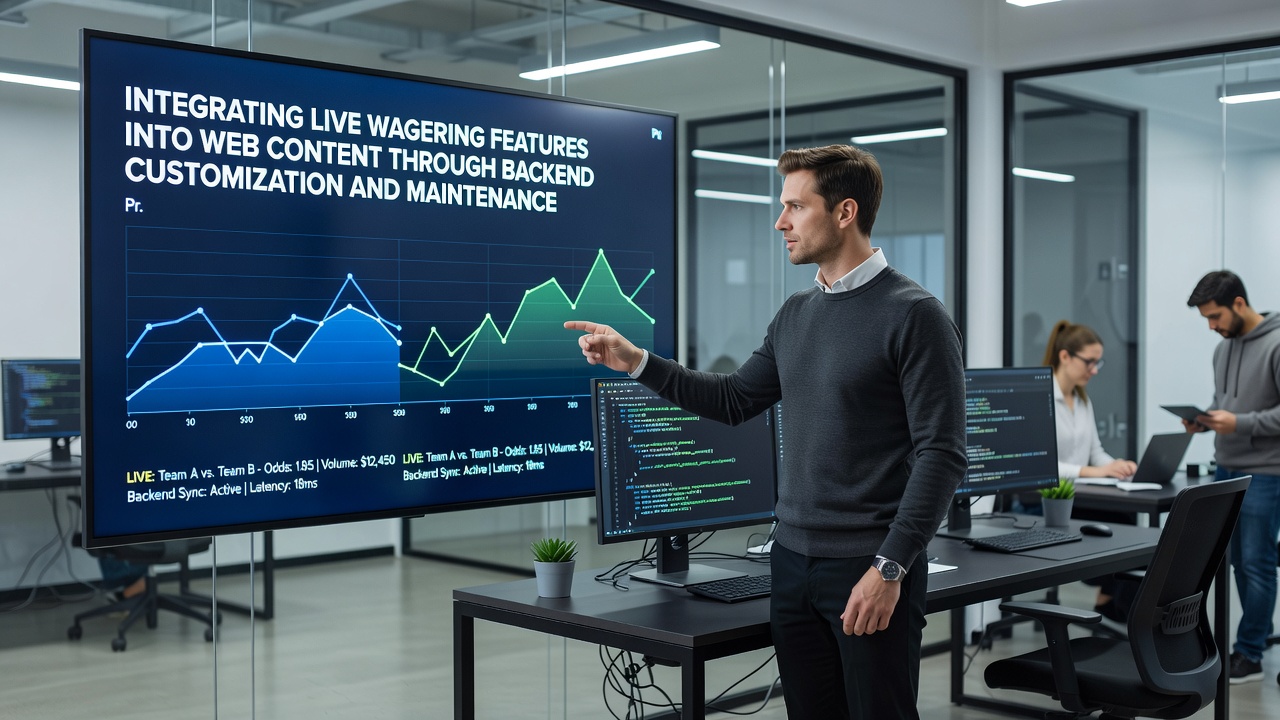 Security audits form another pillar of ongoing protocols, where penetration tests target potential entry points in the wagering backend. Auditors examine how session tokens interact with live bet placement functions, and they verify that all data transmissions use encrypted channels. According to reports from the Nevada Gaming Control Board, consistent audit cycles correlate with fewer compliance violations in operational systems.
Developers integrate live wagering features into web platforms by adjusting server-side systems that handle real-time data streams, user sessions, and content delivery, while maintenance protocols keep these elements stable over time. Teams often connect external odds providers through APIs that push updates every few seconds, and backend scripts process those feeds before rendering them on frontend pages without lag. Research from industry reports indicates that such connections rely on WebSocket protocols combined with REST endpoints, which allow continuous data exchange between the wagering engine and the main site database. Maintenance routines include regular checks on server load during peak betting periods, where traffic spikes can reach several thousand concurrent users. Administrators schedule database optimizations and cache refreshes to prevent delays in odds display, and they apply security patches that protect transaction logs from unauthorized access. Data shows that platforms using automated monitoring tools detect anomalies in betting volumes faster than manual reviews alone.Core Components of Backend Customization
Custom code modules sit at the center of this process, as they manage user authentication before allowing access to live markets. Engineers build these modules in languages like Python or Node.js, then link them to payment gateways that verify funds in real time. Observers note that integration testing occurs in staged environments first, where simulated wagers confirm that balance updates reflect accurately across all connected systems. Content management layers receive live data through middleware layers that format information for display, such as converting raw JSON feeds into structured tables on a sports event page. Those who've studied deployment patterns find that version control systems track every change to these middleware scripts, which reduces rollback times when issues arise during high-stakes events.Maintenance Protocols and Scheduled Updates
Routine maintenance covers hardware scaling decisions that match expected event calendars, including major tournaments that drive increased activity. Teams coordinate with hosting providers to allocate additional CPU resources in advance, and they run load tests that replicate conditions from past peak days. Figures reveal that proactive scaling cuts downtime incidents by measurable margins compared to reactive approaches. In October 2026, several platforms plan coordinated updates to align with new data encryption standards across multiple jurisdictions. These updates involve migrating legacy code to newer frameworks while preserving existing API contracts with betting partners. Experts have observed that such migrations proceed smoothly when teams document every dependency beforehand.
Security audits form another pillar of ongoing protocols, where penetration tests target potential entry points in the wagering backend. Auditors examine how session tokens interact with live bet placement functions, and they verify that all data transmissions use encrypted channels. According to reports from the Nevada Gaming Control Board, consistent audit cycles correlate with fewer compliance violations in operational systems.