Tracking Changes and Scaling Updates: Core Features in Platform Administration Systems
Mara Beck · Aug 11, 2026
Tracking Changes and Scaling Updates: Core Features in Platform Administration Systems
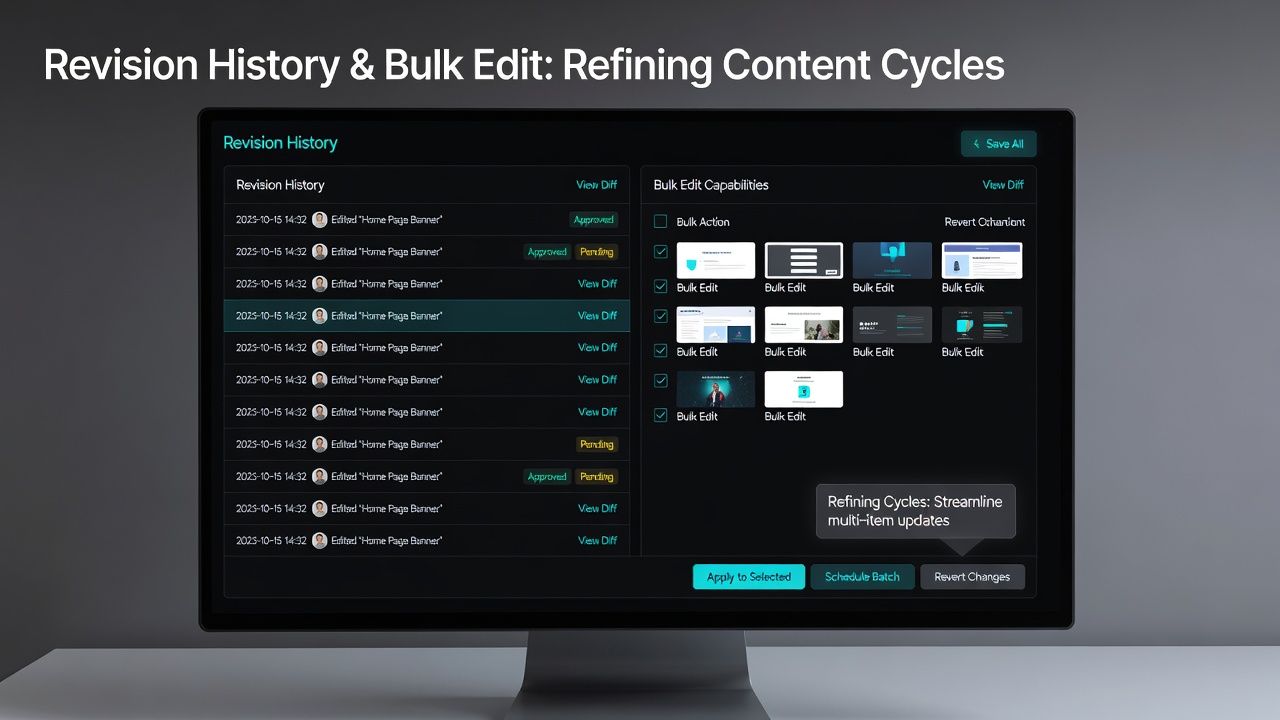
Administrative interfaces for interactive platforms rely on structured tools to maintain accuracy across large content sets, and revision history functions serve as one foundation for that process. These systems record each alteration to posts, pages, and media files while preserving prior versions for reference or restoration. Observers note that platforms built on content management frameworks record timestamps, user identities, and specific modifications in dedicated logs. That approach allows teams to compare drafts side by side and revert entries without manual recreation of earlier states.
Core Mechanics of Revision Tracking
Revision systems operate by storing incremental snapshots rather than overwriting files entirely, which means each save creates a new entry in the database. Researchers at institutions studying digital workflows have documented how this structure supports compliance requirements in regulated environments. Data from platform audits indicates that average revision counts per item range from five to twenty during active editing cycles, depending on team size and content complexity. While basic logs capture text changes, advanced implementations extend tracking to metadata fields, taxonomy assignments, and attached media references.
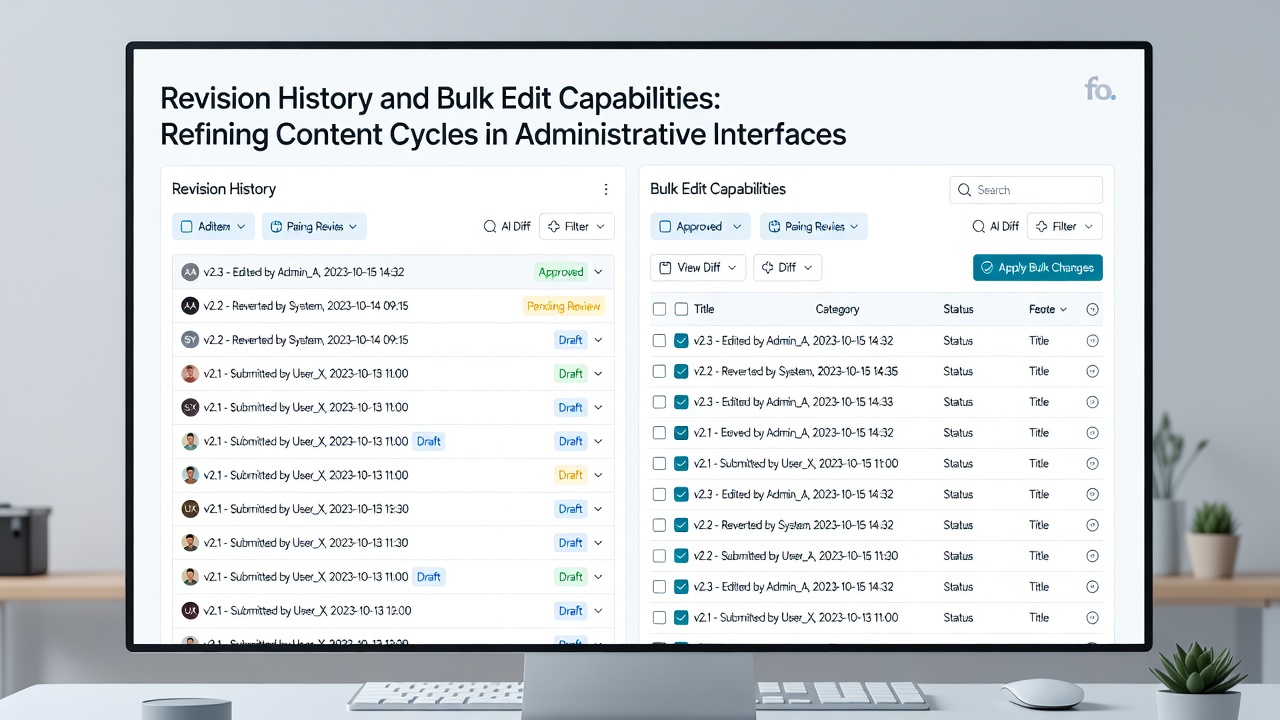
Users access these records through dedicated panels that list versions chronologically, often with diff-style comparisons highlighting added or removed sections. The process integrates directly with user permission layers so that only authorized roles can view or restore older iterations. Studies conducted by academic groups in Canada have shown that platforms employing detailed revision controls experience fewer content discrepancies during multi-author projects.
Bulk Edit Functions and Workflow Efficiency
Bulk edit capabilities complement revision tools by enabling simultaneous updates across multiple items selected through checkbox interfaces or filtered lists. Administrators apply changes to categories, publication dates, author assignments, and custom field values in a single operation rather than opening each record individually. Reports from industry research bodies indicate that bulk operations reduce average task completion time by measurable margins in environments managing hundreds of entries weekly.
Filters and search parameters refine selection before edits occur, allowing precise targeting of content matching specific criteria such as status or date ranges. Once selections are confirmed, the interface presents a unified form for the chosen fields, and the system logs the batch action as a collective event while creating individual revision entries for each affected item. This dual recording method preserves traceability even when dozens of records receive updates at once.
Integration Patterns Across Platform Types
Interactive platforms incorporate these features into modular dashboard sections that connect with plugin ecosystems or extension frameworks. Developers configure custom fields to appear in bulk edit views so specialized data remains editable at scale. A report released in August 2026 by an Australian digital standards organization highlighted how standardized revision and bulk tools improve interoperability between different content systems used by media and entertainment sites.
Permission hierarchies determine which roles gain access to advanced bulk options, preventing unintended mass modifications. Audit trails generated during these operations feed into broader reporting modules that track activity across the entire administrative area. European research initiatives have examined similar implementations in public sector platforms, noting consistent patterns in how revision depth and bulk scope correlate with content volume.
Practical Implementation Examples
One case examined by university analysts involved a regional news network that activated extended revision storage to handle frequent updates during live events. The configuration retained up to fifty prior versions per article, which proved useful when factual corrections arrived from multiple contributors. Bulk category adjustments allowed the team to reclassify archived stories according to new topical groupings without individual record access.
Another documented scenario featured an educational platform where instructors used bulk status changes to publish course modules simultaneously at the start of each term. Revision history enabled quick reversal when scheduling errors surfaced, and the combined features supported consistent content cycles across hundreds of learning objects.
Conclusion
Revision history and bulk edit tools form interconnected components within administrative interfaces for interactive platforms, supporting precise control over content evolution and efficient scaling of updates. Platform documentation and independent studies continue to examine how these functions adapt to growing data volumes and regulatory expectations across regions. Organizations maintain operational continuity by configuring revision depth and bulk permissions to match specific workflow demands while preserving complete activity records for each modification event.